Bazaar, originally, a public market district of a Persian town. From Persia the term spread to Arabia (the Arabic word sūq is synonymous), Turkey, and North Africa. In India it came to be applied to a single shop, and in current English usage it is applied both to a single shop or concession selling miscellaneous articles and to a fair at which such miscellany is sold, sometimes for charity. The bazaar of the ancient Islamic world was vividly described in the folktales of The Thousand and One Nights. Located in a distinct quarter of the town, it was bustling and noisy by day in contrast to the quiet residential quarters. Access was forbidden after sundown. Some bazaars were divided into districts, with all the purveyors of one type of merchandise grouped together. In smaller towns the bazaar consisted of a single narrow street of stalls. In larger cities, such as Istanbul, it consisted of many miles of such passageways. Distinctive architecture characterized some bazaars—such as those built at Kāshān and Eṣfahān in Iran in the 17th century. They were usually roofed for protection against the hot desert sun, either with a single roof, with individual vaulted cupolas or domes, or with awnings. Most ancient bazaars were modernized over the centuries.(Britannica, T. Editors of Encyclopaedia. bazaar. Encyclopedia Britannica. https://www.britannica.com/topic/bazaar)
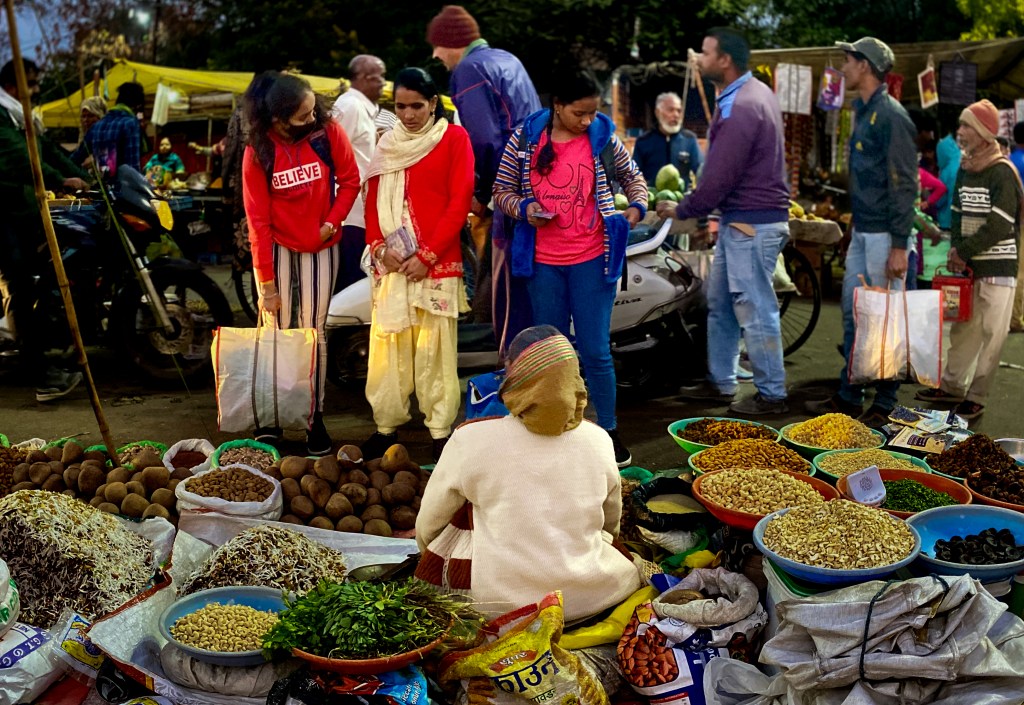
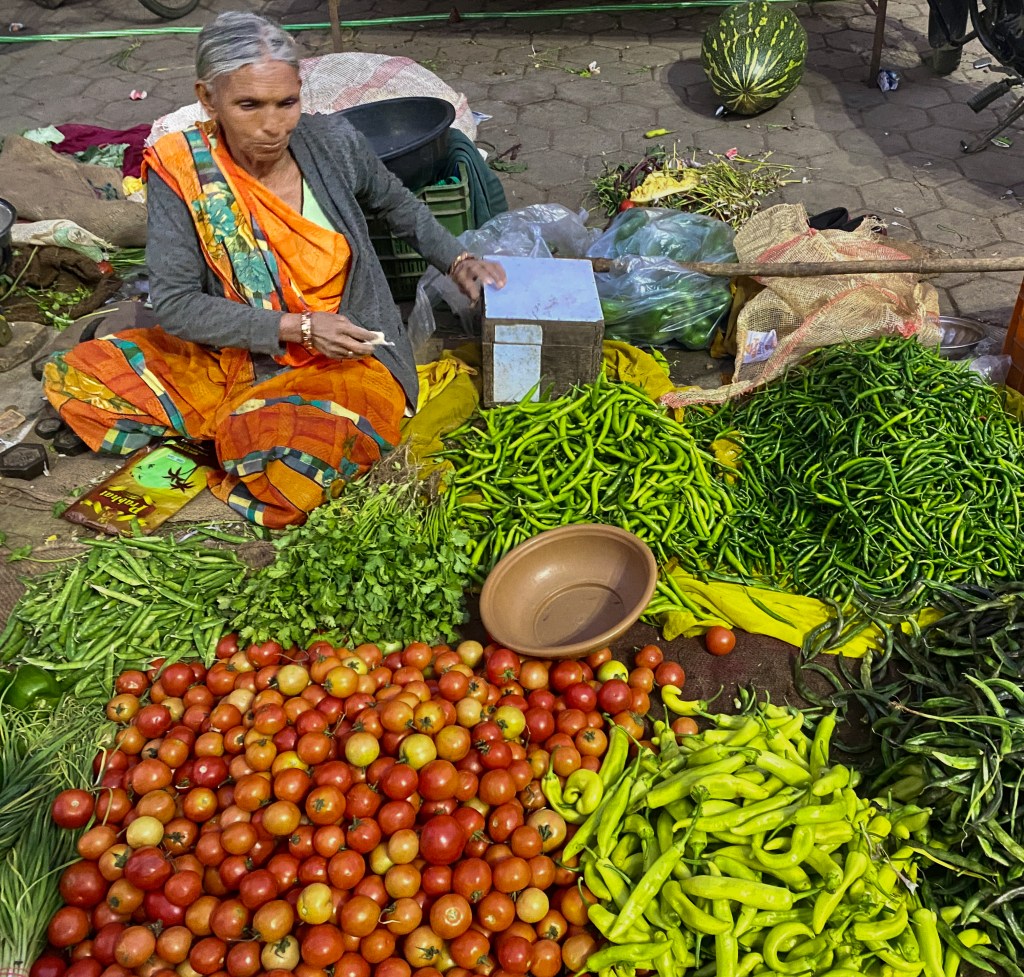
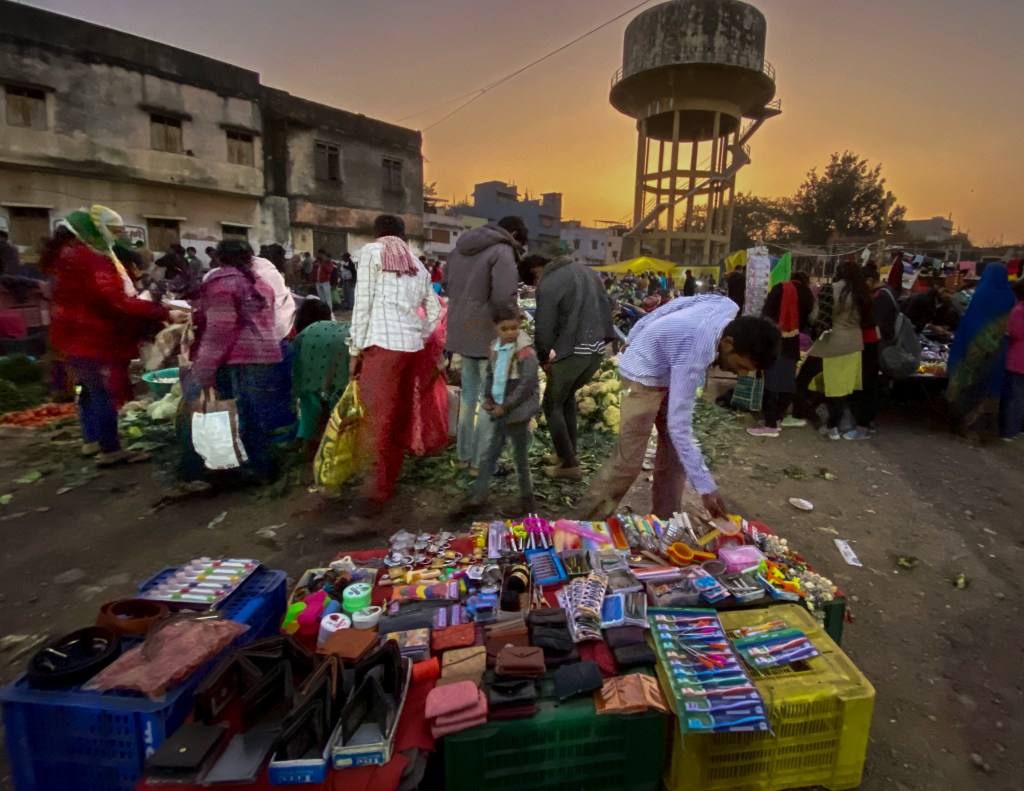
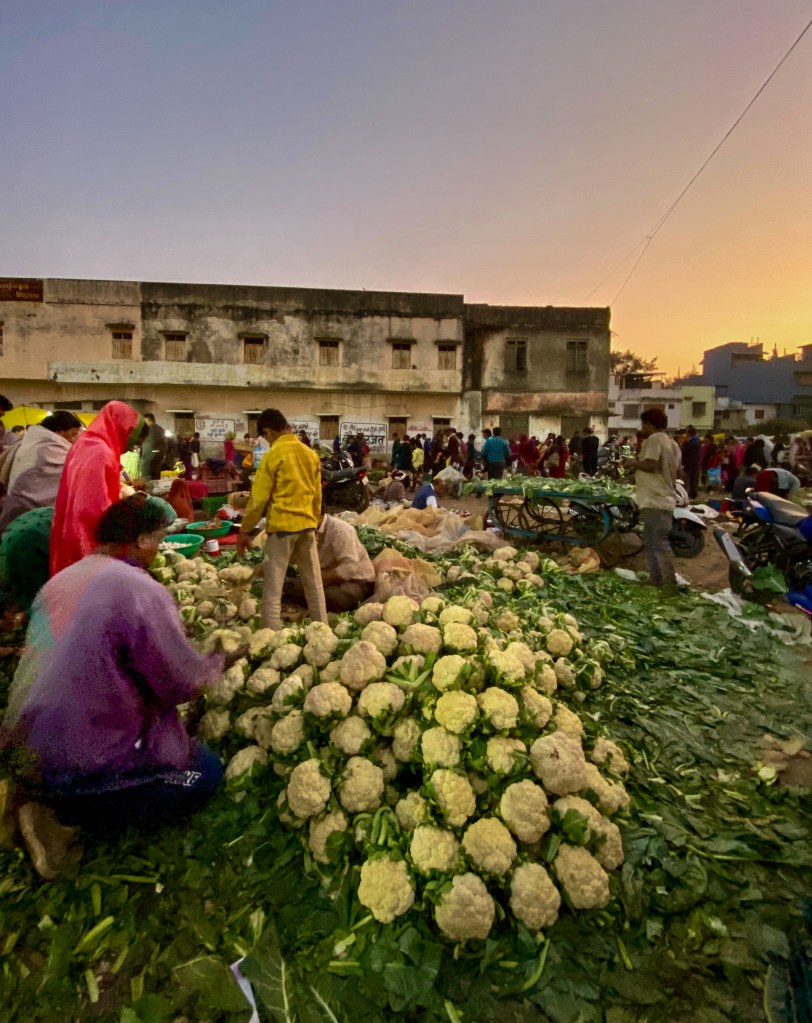
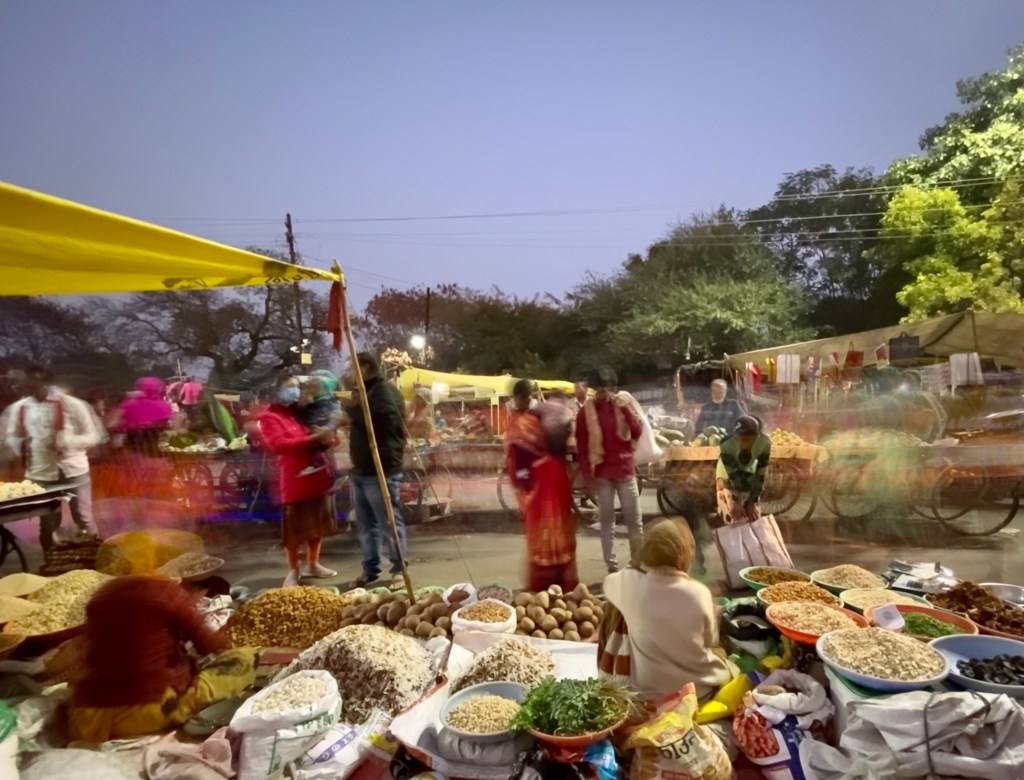
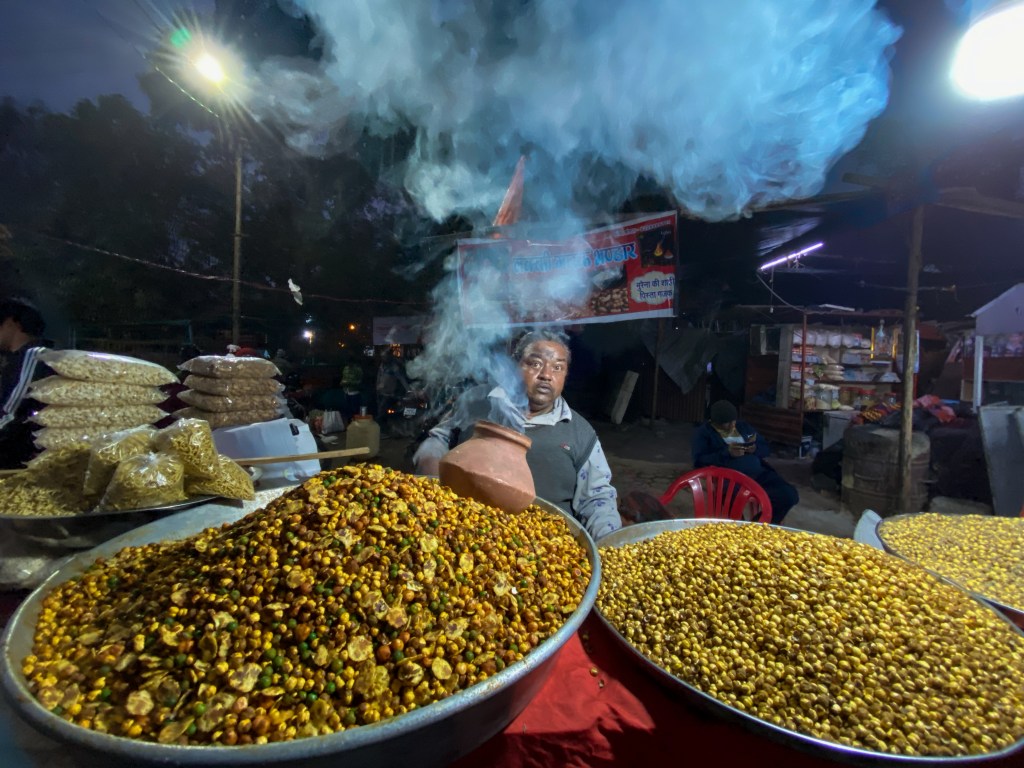
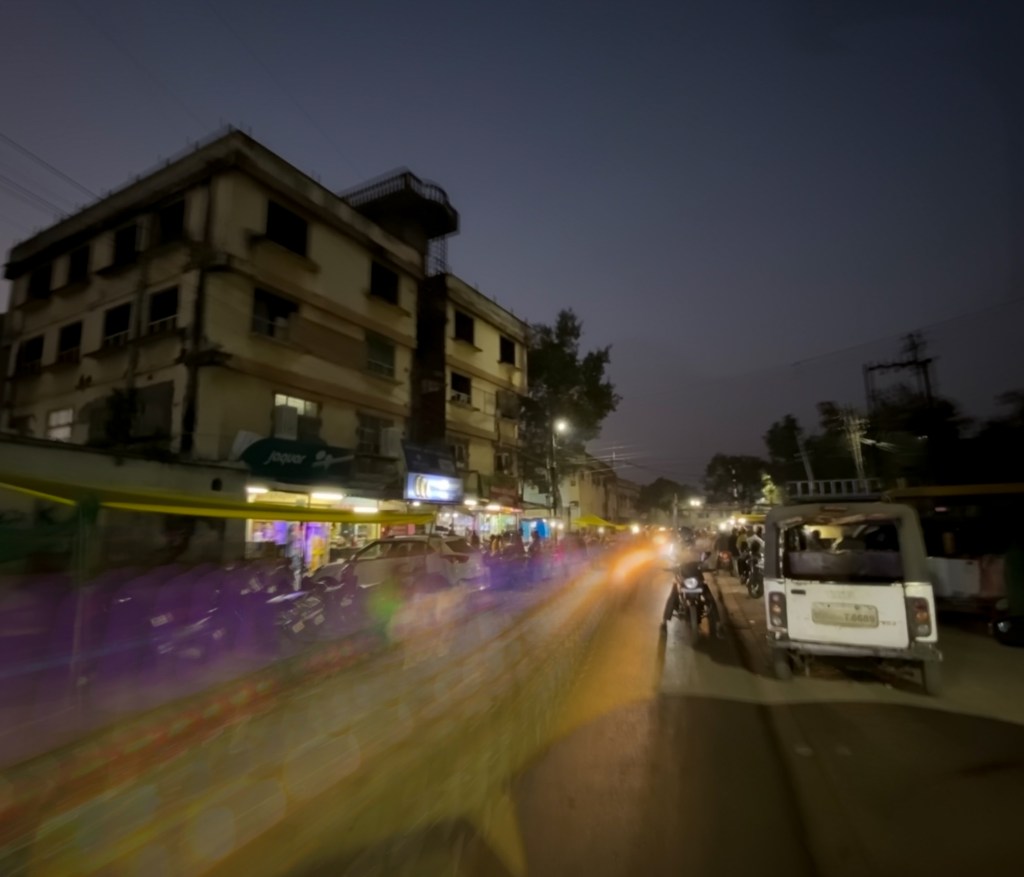
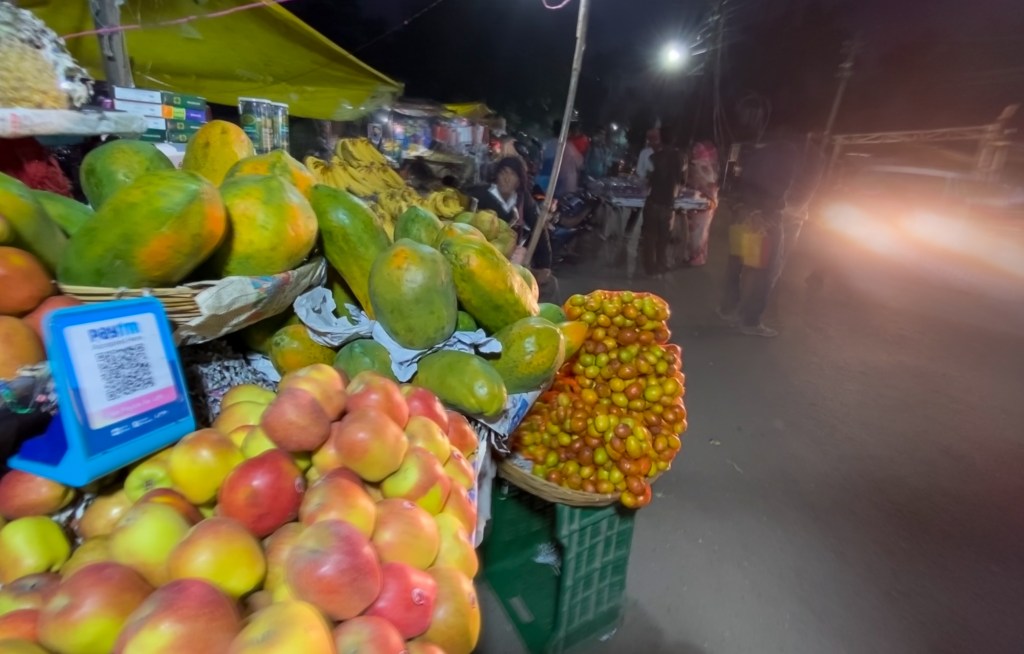
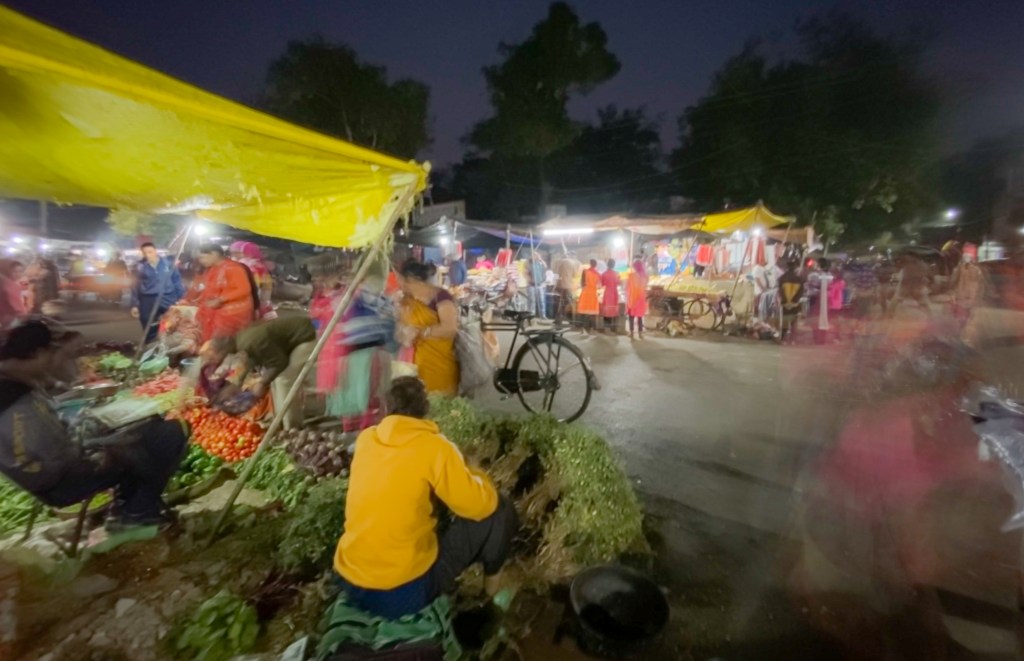
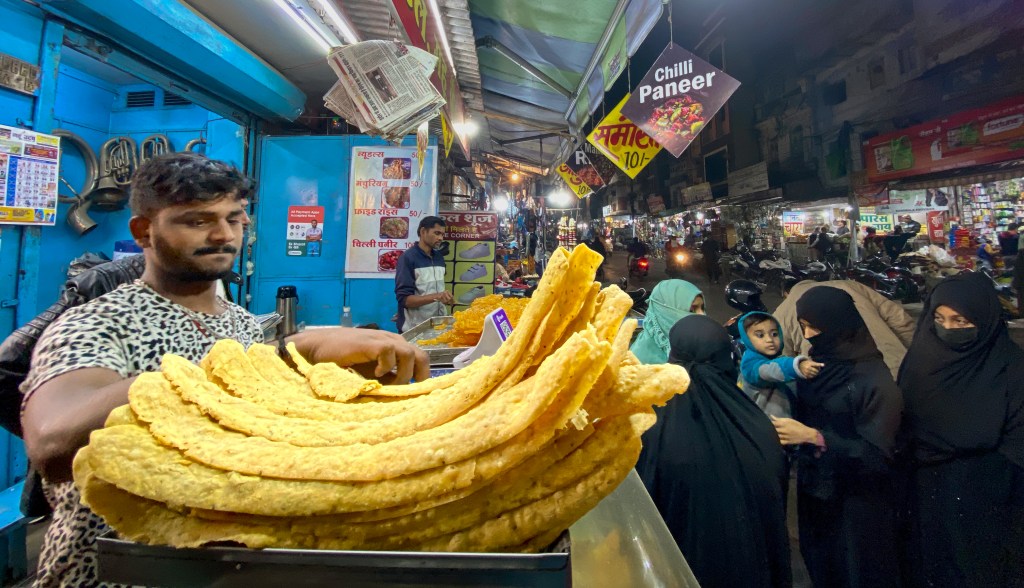
In India, bazzars are common and majority of the population shop at these periodic(weekly/fortnightly/monthly) market places. Some economists have also termed them as ‘India’s Rural Super Market’.
 Musings of a Wanderer