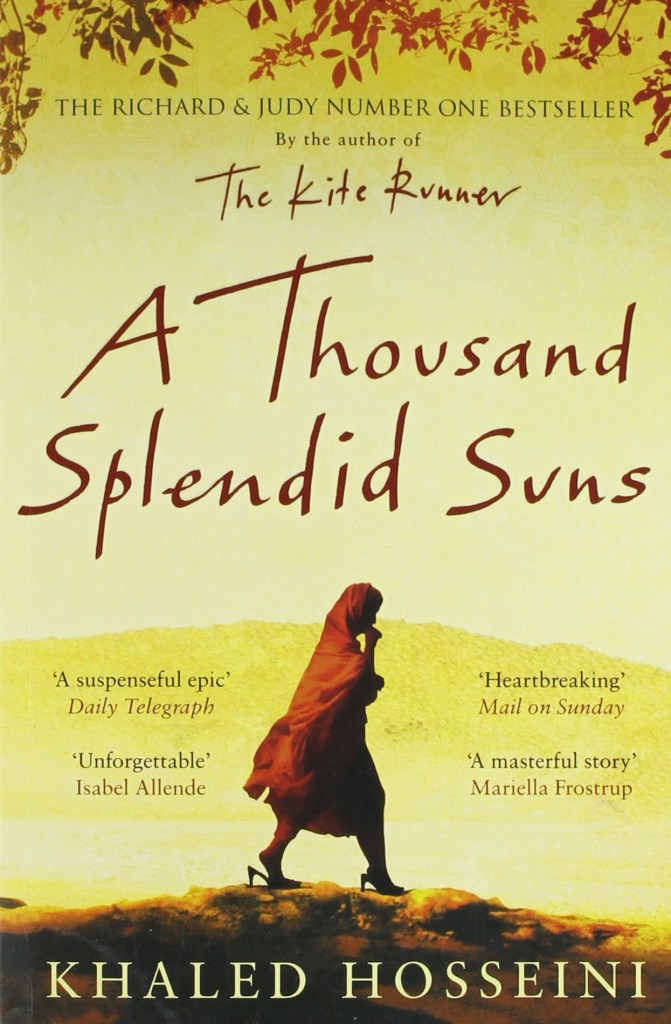
In 2007, after waiting for about four years for Khaled Hosseini’s second book after the best seller ‘The Kite Runner’, I could finally lay my hands on the much-anticipated publication, ‘The Thousand Splendid Suns‘. The book was a literary masterpiece that very intricately weaved an emotional and moving story of Mariam and Laila. The story follows two women from the 1960s to the early 2000s- the time of upheavals of nearly four decades of anti-Soviet struggle, civil war, and Taliban rule. Mariam, an illegitimate child of a wealthy businessman, is forced to marry much older Rasheed at fifteen. She faced her husband’s increased brutality after she failed to produce a child. Rasheed takes another wife, fourteen-year-old Laila, a bright and spirited girl whose parents are killed by rocket fire, and her only other options are prostitution or starvation. Mariam and Laila become friends in their fight against Rasheed, who considers physical abuse of women as sanctioned by the custom.
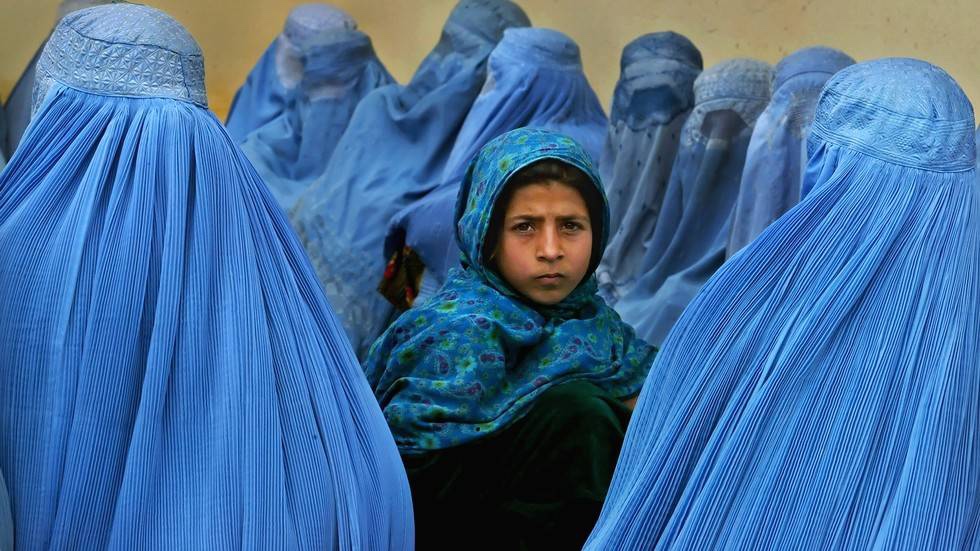
A significant portion of the story unfolded in times when the Taliban was ruling the country. In the name of the implementation of Shariah, the legal practice derived from the teachings of the Quran, the religious fanatic regime treated women even worse than animals. The girls were banned from schools and colleges, ordered to wear burqa, confined to their hearth, and forced to be accompanied by a male member of the family if they had to venture out in public places. The basic medical facilities were denied to the majority of the womenfolk as no male doctor was allowed to examine them, and women doctors were very few. The story pans out most tragically as the Taliban publically execute Mariam for killing Rasheed, and Laila flees to Pakistan with her childhood love, Tariq. Laila and Tariq return to their country once the Taliban are ousted and freedom and equality become a reality.
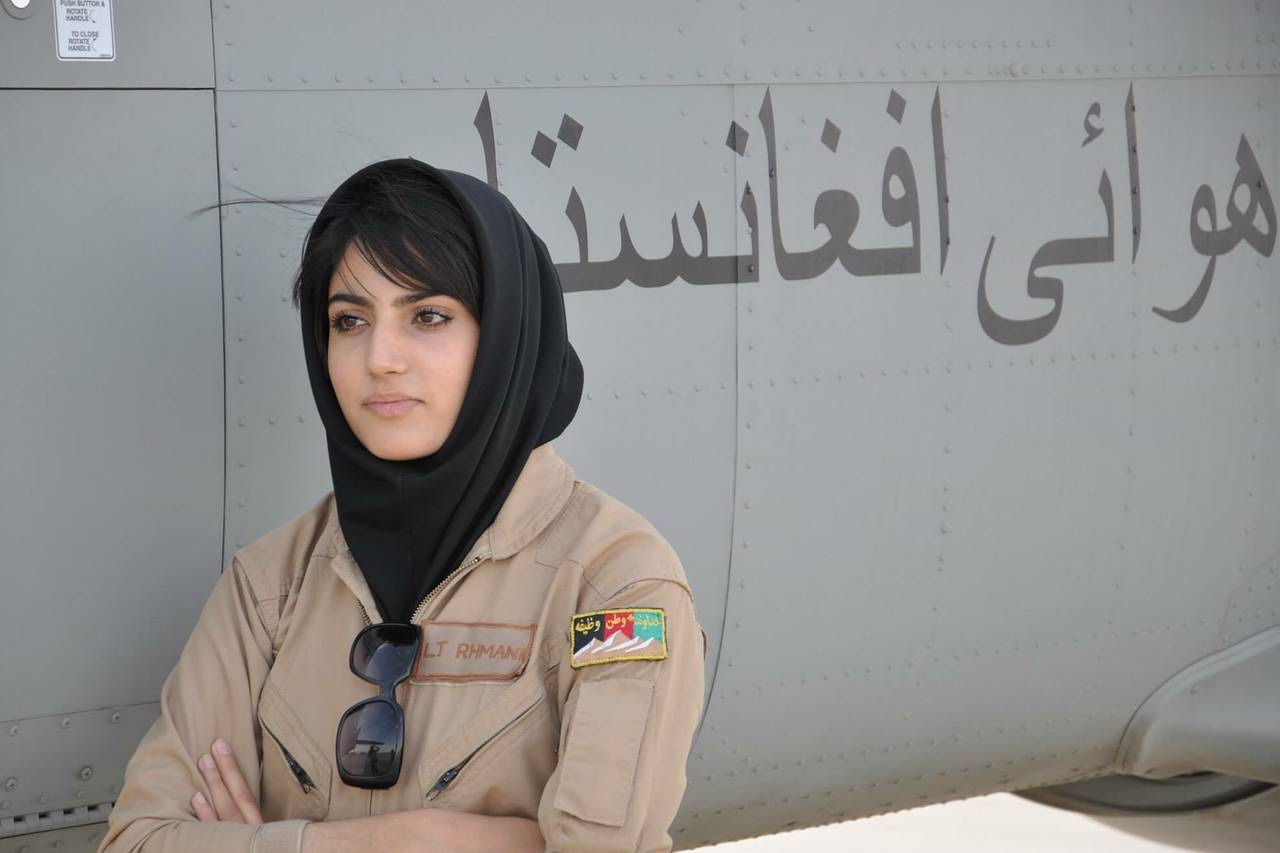
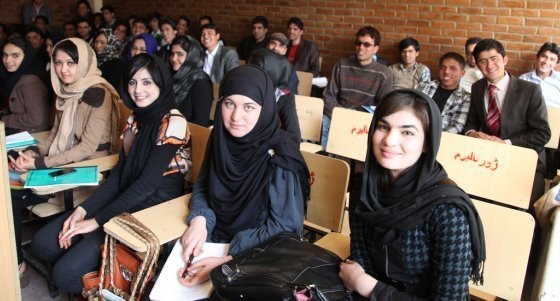
While reading the book, on numerous occasions, my eyes welled up with tears, my throat choked, and my face turned red with anger and helplessness thinking of the perpetrators of the crimes against the debilitated women. But at last, I also had a sigh of relief that the fundamentalist regime was defeated in 2001 and good times returned to Afghanistan. The places of learning were opened for women; women ventured into public areas without fear of reprisal, and the air was filled with the redolence of liberty and equality. The women were represented in the Parliament; the women were pilots, the women were doctors, lawyers and engineers and so on and so forth. The land, which witnessed bloodshed from the past four decades, was now looking for a peaceful and better future.
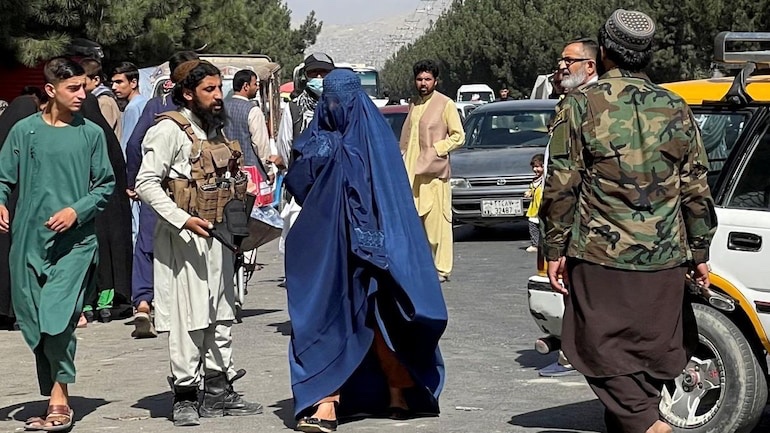
For almost two decades, it was a period of relative peace, happiness and prosperity. Then situation suddenly changed on 15 August, when a resurgent Taliban supported by the rogue state of Pakistan, defying all assessments and surprising the world community, captured the capital city Kabul in a military blitzkrieg. Things changed overnight, especially for womenfolk. Despite Taliban assurances, the doors of schools and colleges were shut for the women, and they were confined back to the four walls of their homes. Such fast was the turn of events that people did not even get time to escape. Hoping for a better life out of the Taliban controlled realm, many tried to escape, many met their tragic end in the process, and the world watched helplessly.
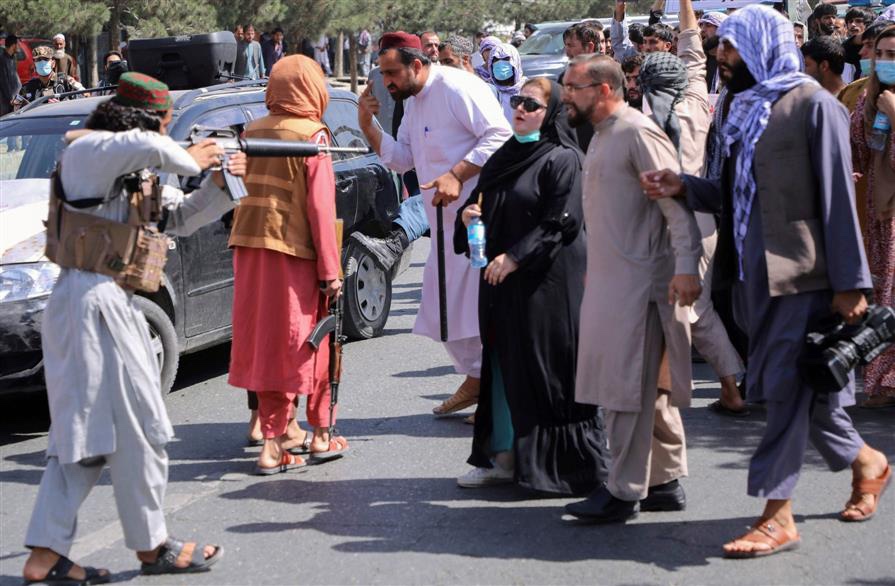
The country is now totally in control of the zealots, and many Lailas and Mariams are gearing up for a life of oppressed darkness. The darkness of lack of education and illiteracy, the darkness of unattended illnesses and the darkness of being treated inferior. The history, it seems, is repeating itself, the future looks bleak, and the world looks on. My sigh of relief of the cold winter night of 2007, when, after finishing the book with a happy ending wherein Laila returns to her country to contribute to the society, now seems to be just a distant dream, a hallucination that got over in two decades. The images of protesting women on the streets, with illiterate Taliban soldiers pointing their Kalashnikovs at them, are making the way to media on a routine basis. But the threats, coercion and intimidation have not dampened the Afghan women’s spirit. Online campaigns like ‘do not touch my clothes‘ and ‘this is how we dress‘ are all over social media; symbolising the resistance women are putting up against the repressive diktats in the name of custom and religion.
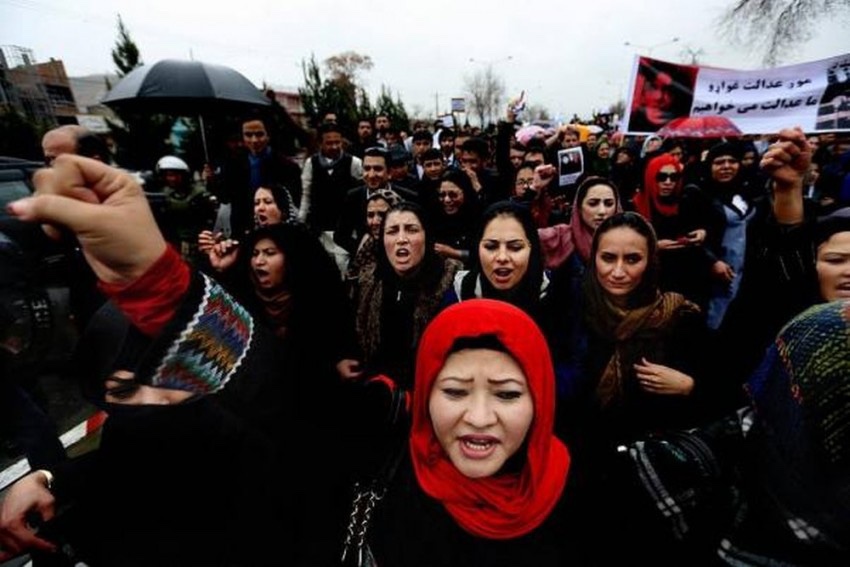
For a better future, they need our support. They don’t want to be forgotten by the ‘civilised’ world, like they were, in 1996. We need to highlight their issues, be vocal about their plight, and support them in whatever manner and with whatever means we can. The comity of nations and the UN need to pressurise the Taliban to provide equal rights and opportunities to them; otherwise, we have millions of Lailas and Mariams, waiting for the worst- enslavement, illiteracy, oppression, sexual abuse and ill- health.
Dear World, we need to stand with them. Let’s not shun our responsibilities and let’s be their strength.
 Musings of a Wanderer